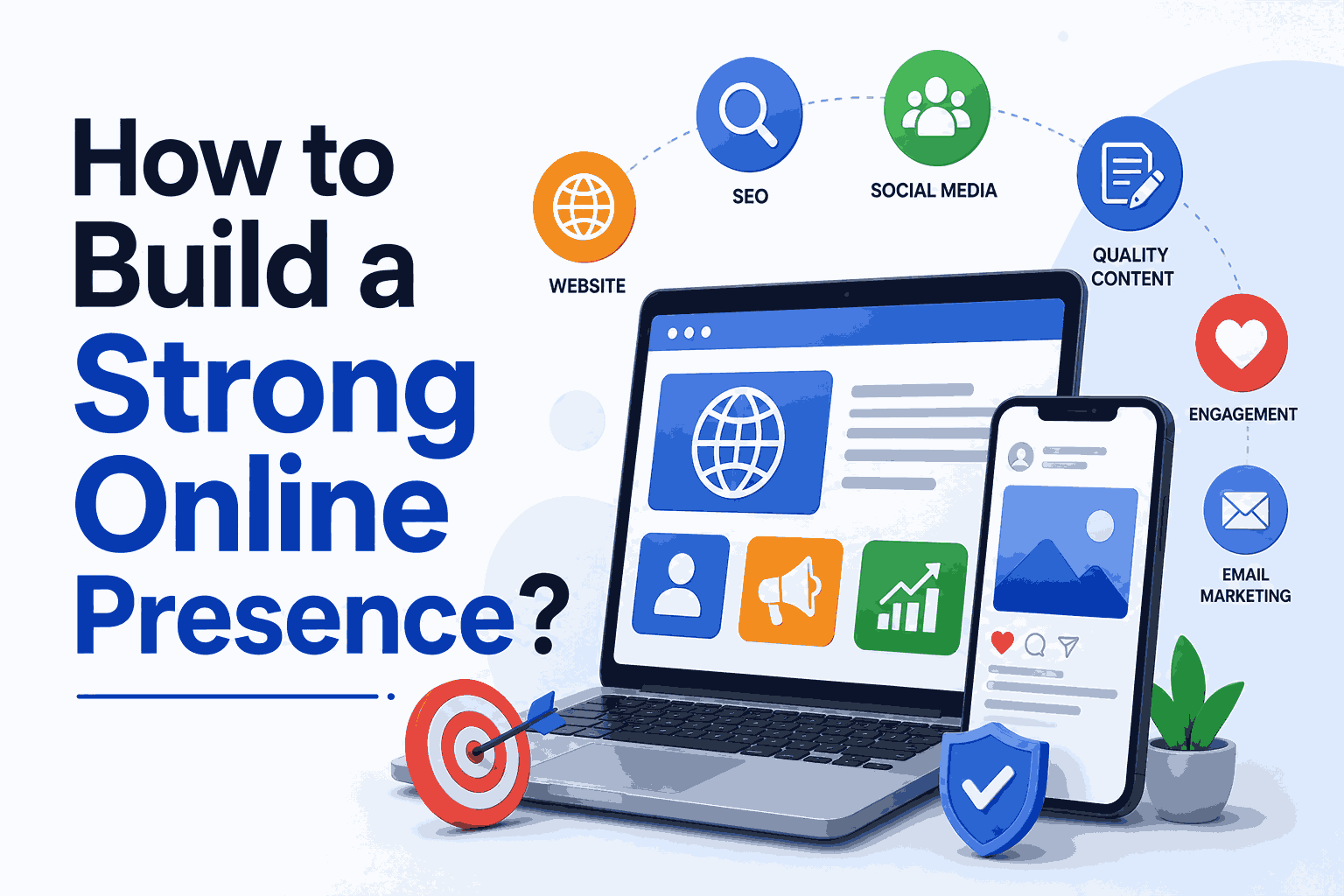
In a world where consumers research brands online before making a single purchase decision, having a strong online presence is no longer optional — it's the foundation of credibility and growth. Whether you're a solo entrepreneur, a small business, or an established company, how you show up across the internet directly shapes how customers perceive and trust you.
This guide breaks down the key pillars of building a strong online presence and offers practical, actionable steps you can implement right away to boost visibility, credibility, and growth.
1. Start with a Professional Website
Your website is often the first true impression a potential customer forms of your business. It should be fast, mobile-friendly, easy to navigate, and clearly communicate what you offer. A cluttered or outdated site can drive visitors away within seconds, no matter how good your product or service is.
Make sure your website includes clear calls-to-action, updated contact information, and a design that reflects your brand identity. Think of it as your digital storefront — always open and always representing you.
2. Optimize for Search Engines (SEO)
Search engine optimization determines whether people can actually find you online. Focus on relevant keywords, quality backlinks, fast page-loading speeds, and well-structured content. Local SEO is especially important for small businesses, since many customers search for services 'near me.'
Claiming and optimizing your Google Business Profile, gathering customer reviews, and maintaining accurate listings across directories all strengthen your visibility in local and organic search results.
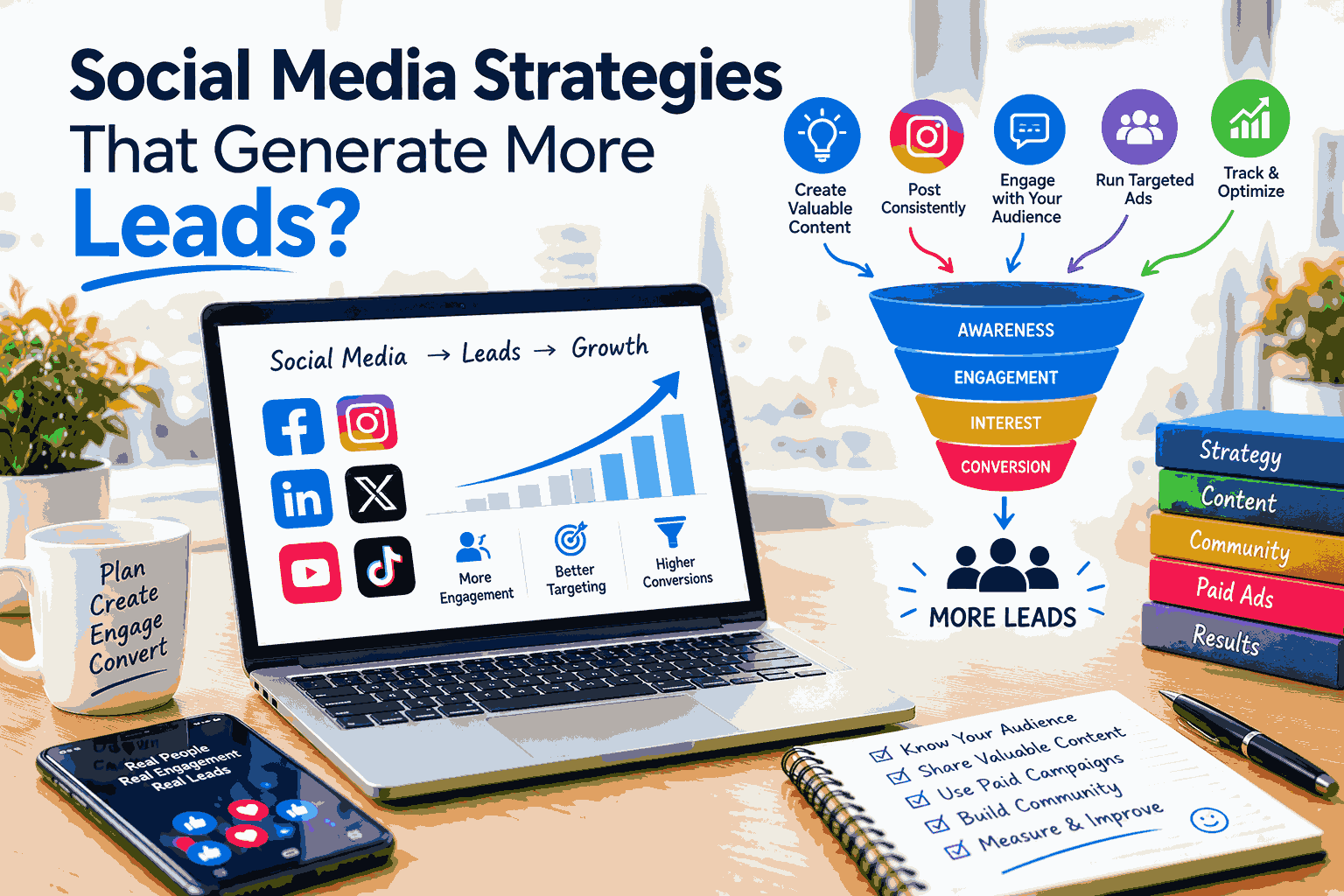
3. Be Active and Consistent on Social Media
Social media platforms extend your reach far beyond your website. Choose the platforms where your target audience spends the most time, and post consistently rather than sporadically. A recognizable posting schedule, consistent branding, and an authentic voice help build familiarity and trust over time.
Engagement matters as much as posting. Responding to comments, joining relevant conversations, and interacting with your community signals that there's a real, attentive presence behind your brand.
4. Create Valuable, Consistent Content
Content marketing — blog posts, videos, infographics, podcasts — positions you as a knowledgeable authority in your industry. Valuable content answers your audience's questions, solves their problems, and keeps them coming back for more.
Repurposing content across formats and channels (turning a blog post into a video, or a video into social clips) maximizes reach without multiplying your workload.
5. Manage Your Online Reputation
Reviews and testimonials heavily influence buying decisions. Actively encourage satisfied customers to leave reviews on Google, industry-specific platforms, and social media. Just as importantly, respond professionally and promptly to negative feedback — how you handle criticism publicly says a lot about your brand.
Regularly monitor mentions of your brand online so you can address concerns quickly and highlight positive stories before they get lost in the noise.
6. Build an Email List
Unlike social media followers, an email list is an owned audience that isn't subject to algorithm changes. Offering a valuable lead magnet — a discount, guide, or free resource — encourages visitors to subscribe, giving you a direct, reliable channel to nurture relationships and drive repeat business.
7. Leverage Analytics to Improve Continuously
Tools like Google Analytics and native social media insights reveal what's working and what isn't. Track metrics such as website traffic, engagement rates, and conversion paths to understand your audience's behavior and refine your strategy accordingly.
Building an online presence isn't a one-time task — it's an ongoing process of testing, learning, and adjusting based on real data.
Quick-Start Checklist
• Build or update a fast, mobile-friendly website.
• Optimize your Google Business Profile and local listings.
• Pick 2-3 social platforms and post consistently.
• Publish helpful content on a regular schedule.
• Actively collect and respond to customer reviews.
• Start building an email list from day one.
Conclusion
A strong online presence is built brick by brick — through a solid website, smart SEO, consistent social media activity, valuable content, a well-managed reputation, and data-driven refinement. Businesses that commit to these fundamentals consistently will find themselves more visible, more trusted, and better positioned for long-term growth in an increasingly digital marketplace.