Introduction
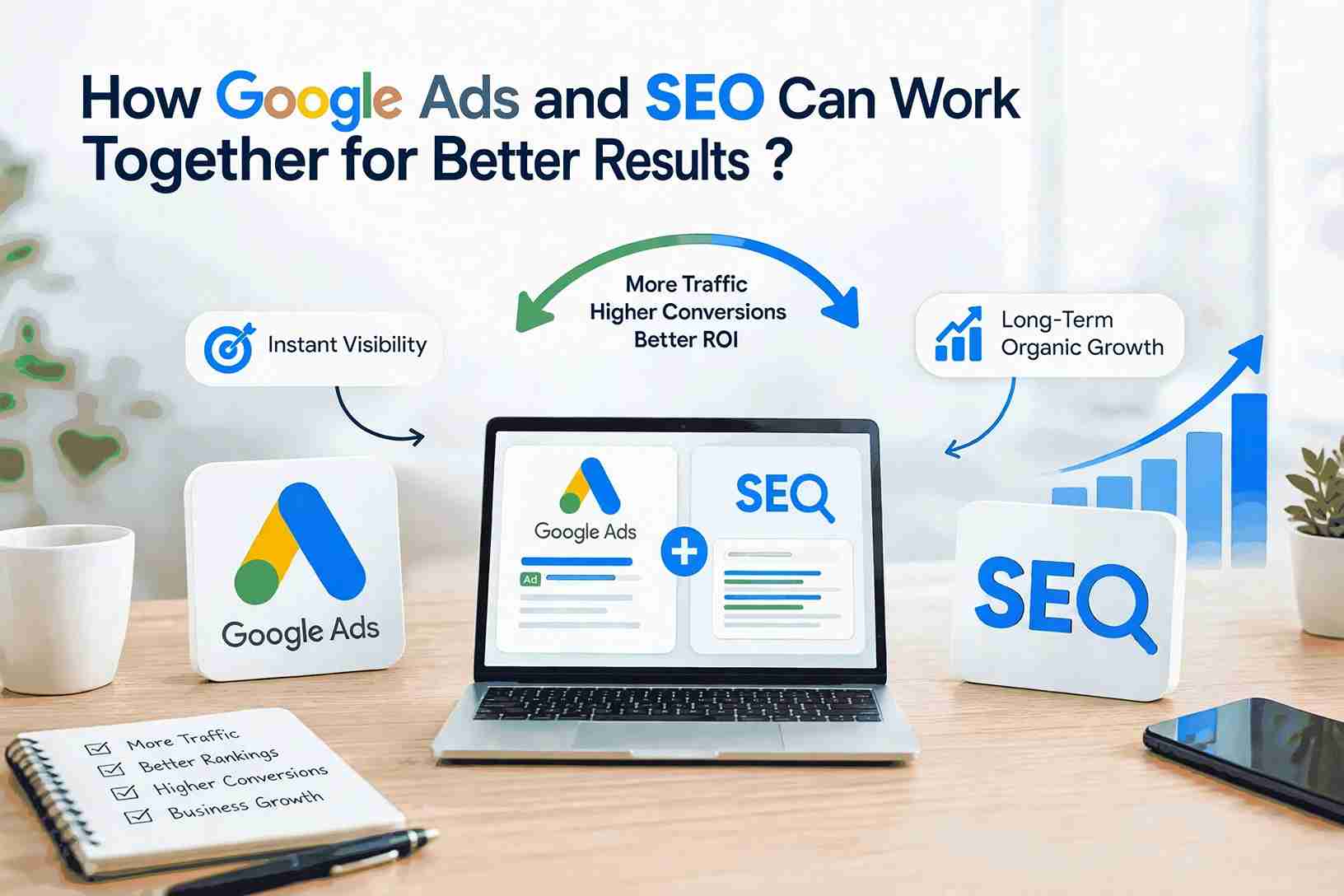
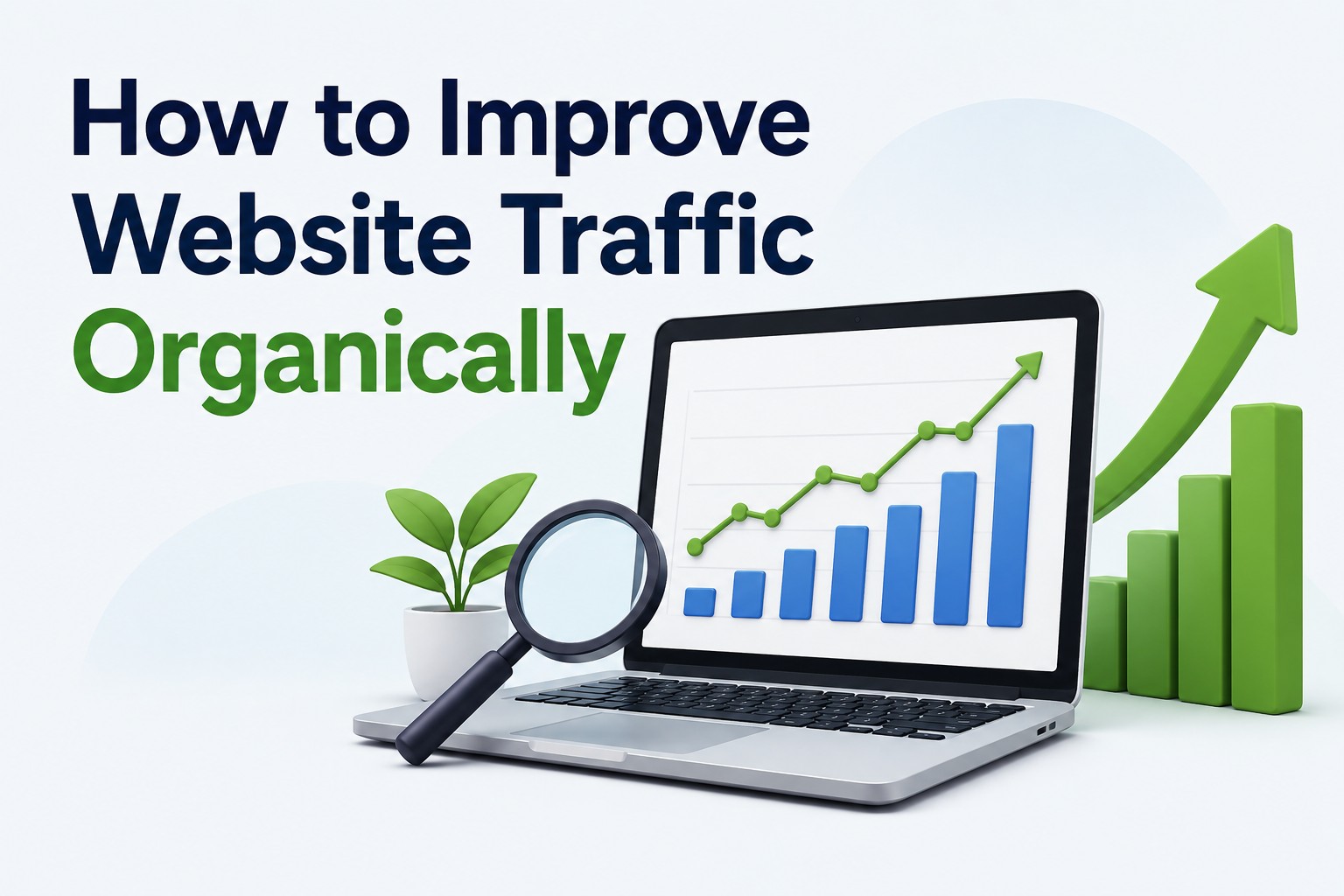
If you run a website, you already know that traffic is the lifeblood of your online presence. But not all traffic is created equal. Paid ads can bring quick visitors, but the moment your budget dries up, so does the flow of people to your site. Organic traffic, on the other hand, is free, sustainable, and often more valuable because it comes from people actively searching for what you offer.
In this guide, we'll walk through practical, proven strategies to grow your website's organic traffic over time. Whether you're a blogger, a small business owner, or a marketer, these tips will help you build a steady stream of visitors without relying on paid promotion.
1. Start With Solid Keyword Research
Every successful organic traffic strategy begins with understanding what your audience is searching for. Keyword research helps you identify the exact terms and phrases people use when looking for products, services, or information related to your niche.
Use tools like Google Keyword Planner, Ahrefs, SEMrush, or even the free Google Search Console to find keywords with decent search volume and manageable competition. Focus on long-tail keywords — phrases with three or more words — since they're easier to rank for and often signal higher purchase or engagement intent.
2. Create High-Quality, Valuable Content
Content remains king when it comes to organic growth. Search engines prioritize content that genuinely helps users solve a problem or answer a question. Instead of writing for algorithms, write for people first.
Aim to create comprehensive, well-researched articles that cover a topic thoroughly. Break down complex ideas into digestible sections, use examples, and update your content regularly to keep it accurate and relevant. The more value you provide, the more likely visitors are to stay longer, share your content, and return in the future.
3. Optimize On-Page SEO Elements
On-page SEO ensures search engines can properly understand and index your content. Key elements to optimize include:
- Title tags and meta descriptions that include your target keyword
- Header tags (H1, H2, H3) that organize content logically
- Descriptive, keyword-rich URLs (slugs)
- Alt text for images to improve accessibility and image search visibility
- Internal links that guide readers to related content on your site
These small details add up and signal to search engines exactly what your page is about.
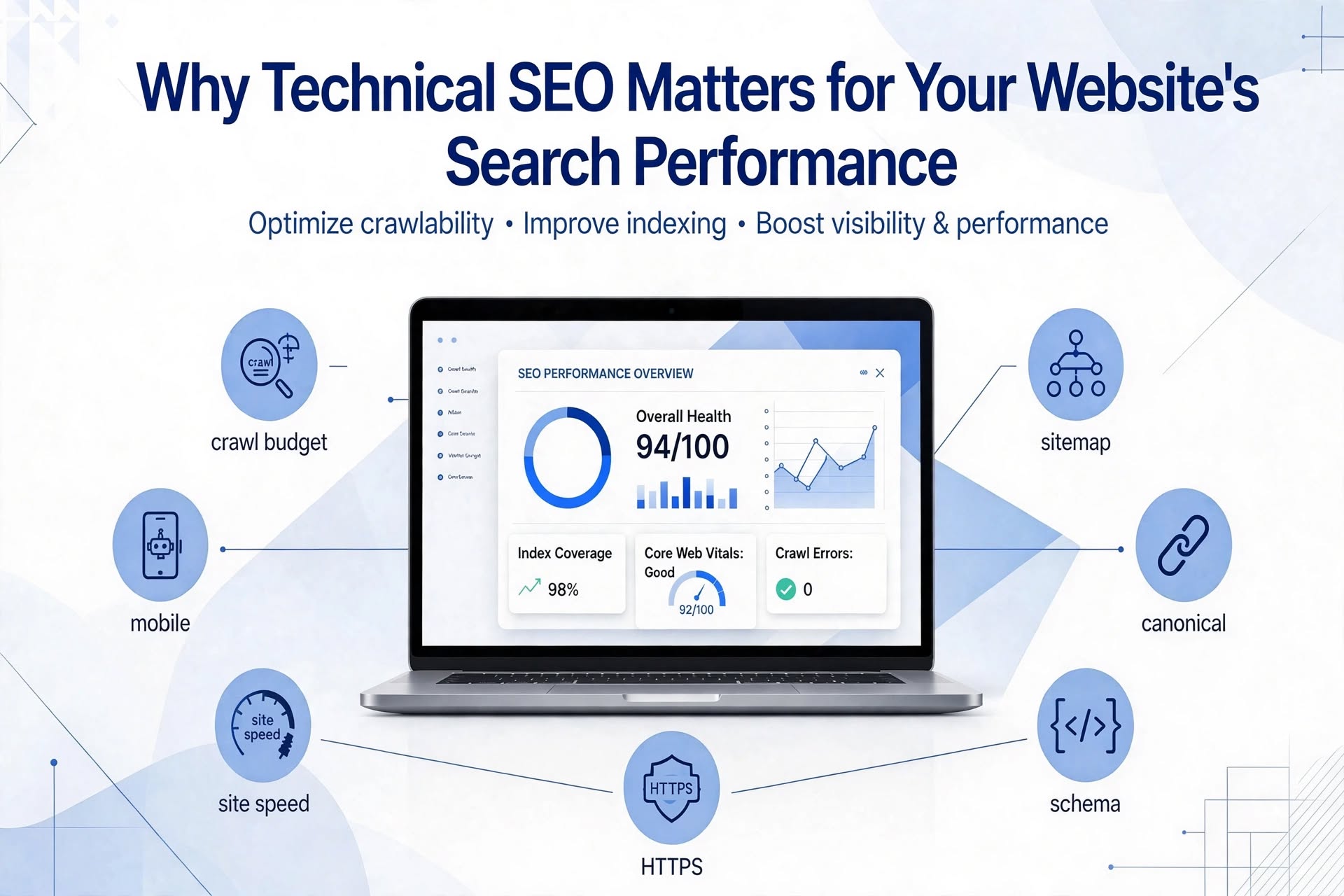
4. Improve Website Speed and Mobile Experience
Page speed and mobile-friendliness are direct ranking factors. A slow-loading site frustrates visitors and increases bounce rates, which negatively impacts your search rankings.
Use tools like Google PageSpeed Insights to identify performance issues. Compress images, enable browser caching, minimize code, and choose a reliable hosting provider. Since most searches now happen on mobile devices, ensure your site is fully responsive and easy to navigate on smaller screens.
5. Build Quality Backlinks
Backlinks — links from other websites pointing to yours — remain one of the strongest ranking signals. However, quality matters far more than quantity. A handful of links from reputable, relevant sites can outweigh dozens of low-quality ones.
Earn backlinks by creating shareable content like original research, infographics, or in-depth guides. Guest posting on respected industry blogs, building relationships with other site owners, and getting listed in relevant directories are also effective strategies.
6. Leverage Internal Linking
Internal linking helps search engines discover and understand the structure of your website while keeping visitors engaged longer. When you publish new content, link back to relevant older posts, and update older posts to link to newer, related ones.
This practice distributes page authority throughout your site and reduces bounce rates by encouraging readers to explore more of your content.
7. Focus on User Experience (UX)
Search engines increasingly factor in how users interact with your site. Metrics like time on page, bounce rate, and click-through rate all influence rankings indirectly by signaling content quality.
Make your site easy to navigate with a clear menu structure, readable fonts, sufficient white space, and clear calls to action. A clean, intuitive design keeps visitors on your site longer and encourages them to explore further.
8. Publish Content Consistently
Consistency signals to search engines that your site is active and regularly updated. Develop a content calendar and commit to a realistic publishing schedule, whether that's once a week or twice a month.
Over time, a growing library of quality content compounds your organic reach, as each new piece has the potential to rank for its own set of keywords.
9. Optimize for Featured Snippets and Voice Search
Featured snippets — the highlighted answer boxes at the top of search results — can significantly boost visibility and click-through rates. Structure your content to directly answer common questions using concise paragraphs, numbered lists, or tables.
As voice search grows in popularity, optimizing for natural, conversational queries can also help capture additional organic traffic from smart speakers and mobile assistants.
10. Monitor, Analyze, and Adjust
Organic growth is an ongoing process, not a one-time task. Use Google Analytics and Google Search Console to track which pages perform well, which keywords drive traffic, and where visitors drop off.
Regularly review this data to identify opportunities for improvement, update underperforming content, and double down on strategies that are working.
Conclusion
Improving your website traffic organically takes time, patience, and consistent effort, but the results are far more durable than paid traffic. By focusing on keyword research, high-quality content, technical optimization, link building, and user experience, you'll build a strong foundation for sustainable growth.
Start implementing these strategies today, track your progress, and adjust your approach as you learn what resonates most with your audience. Organic traffic growth is a marathon, not a sprint — but every step you take moves you closer to a thriving, self-sustaining website.